

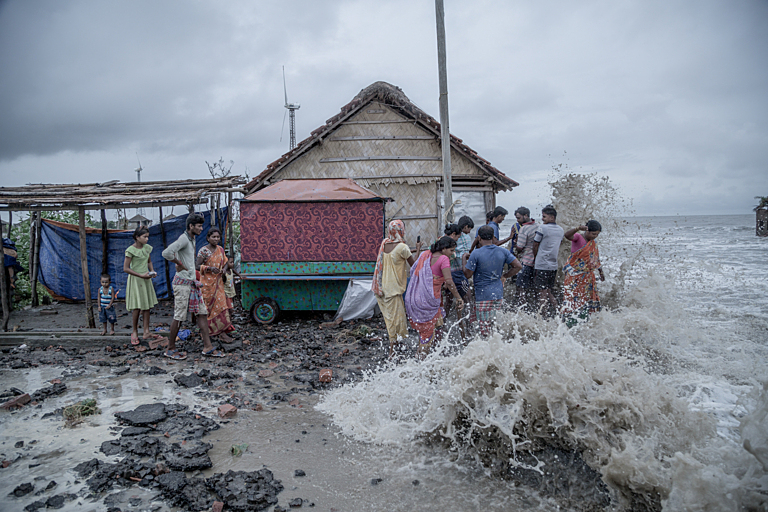
Climate change is the most pressing problem of our time. As journalists, we have a special responsibility to report on the facts and associated impacts of climate change. As trade unionists, we demand a just transition for all workers impacted by the shift to a zero-carbon economy.
International Federation of Journalists
Few people on Earth have not been touched in some way by climate change.
We are all:
Feeling the effects of extreme or unusual weather, such as storms, floods, droughts and heatwaves.
Meeting the costs of adapting to a changing climate – such as installing air conditioning, changing the crops we farm, moving to less impacted areas within their cities or countries or installing flood protection.
Facing demands to reduce our carbon emissions, such as:
- Reducing our use of personal vehicles, especially cars, and to walk and cycle more instead, and make more of our journeys on public transport.
- Replacing our petrol and diesel vehicles with electric vehicles.
- Reducing our air travel substantially, especially on long haul flights.
- Reducing or stopping our consumption of meat, especially red meat, perhaps by replacing them with plant-based alternatives or artificial meat grown in labs.
Some of these changes will be demanded by new legislation, some through persuasion, and others through a changing world economy.
Many of these steps of transition will be difficult and controversial, but are essential to a liveable planet.
On the other hand, some will bring personal benefits, such as lower heating and energy bills, a cleaner environment, improved health and comfort in warmer/cooler homes.
All these should be the subject of public scrutiny and discussion.
Journalists have a vital role in informing, exploring solutions and managing this debate.
“Now [climate change] is a hard news story and every single one of our top journalists needs to be covering it and needs to have their head around it. It’s there in the brief, it’s there in the consciousness, and as a general reporter you’ll be encouraged to think about climate dimensions to a story.”
Rachel Corp, Editor, ITV News (UK)
A global survey carried out by the IFJ showed that a big majority of journalists (over 81%) are “very concerned” about climate change.
However, only one in four believe the media in their country is doing an adequate job of covering the climate crisis.
In this short course, we will try to help you to do better.
At the end of each section of this course, we will ask you to stop and reflect on your experience and understanding of climate change. Why not start a new document and paste your answers there? At the end of the course, you can review your progress. Feel free to share your notes with us!
Reflection: What do you need to better understand about climate change?
Where do you find difficulties in reporting on climate change?
What are the gaps in your knowledge or understanding?
Where do you think you should strengthen your climate change reporting?
What could be the benefits for you professionally in developing your reporting of climate change?
 Reporting Climate Change: tips from the IFJ