

We hope you’ve found this short course useful and now feel more confident on reporting climate change.
Perhaps you’d like to go further? Climate change is not going to disappear as a critical issue for the planet during our lifetimes. Developing skills as a specialist climate change reporter will bring great strength to your newsroom and increase your opportunities for employment.
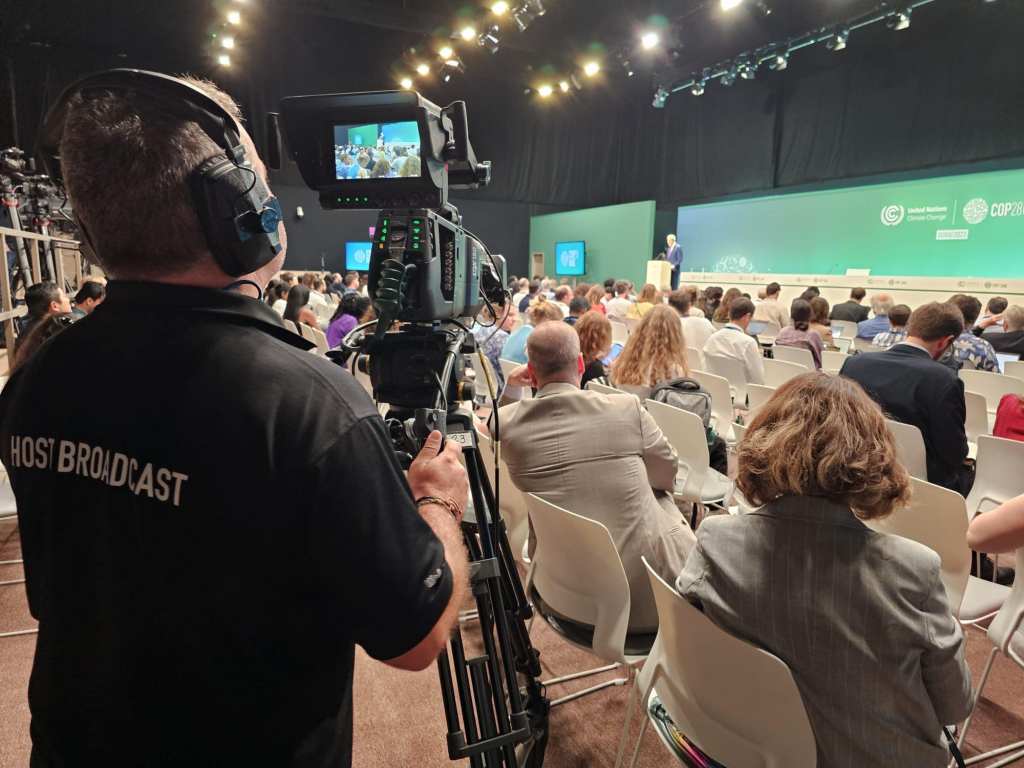
Learn more
Covering Climate Now is the top site for journalists looking for guidance on reporting climate. There are tips sheets, chats and sample stories. CCN also runs frequent webinars discussing topics of interest to climate reporters.
The Thomson Foundation has an online course in environmental journalism. As well as English, it is also available in Arabic and Bosnian-Serbian-Croatian: https://www.thomsonfoundation.org/e-learning/environmental-journalism/
The European Broadcasting Union (EBU) has published research into making broadcast news coverage of the climate impactful and engaging: https://www.ebu.ch/guides/open/report/news-report-2023-climate-journalism-that-works
The Oxford Climate Journalism Network is a programme at Oxford University that supports reporters and editors across beats and platforms to improve the quality, understanding and impact of climate coverage around the world.
Internews runs the Earth Journalism Network, a network with 20,000+ members from 180 countries.
Yale Program on Climate Change Communication, a programme of The Yale School of the Environment, conducts scientific studies on public opinion and behaviour, and provides a set of resources about climate change, including lectures for journalists, amongst other activities.
The Constructive Institute has a guide for journalists who cover climate under the perspective of constructive journalism: “You Live in the New Climate: This is How to Report It”.
The UN Climate Change Learning Partnership offers the guide “Climate-Smart Reporting: A Handbook for Journalists and Communications Professionals”.
The World Weather Attribution has the guide “Reporting extreme weather and climate change: A guide for journalists” in several languages.
The Knight Science Journalism Fellowship offers a handbook with insights, knowledge, tips and resources for journalists covering science. https://ksjhandbook.org/introduction/
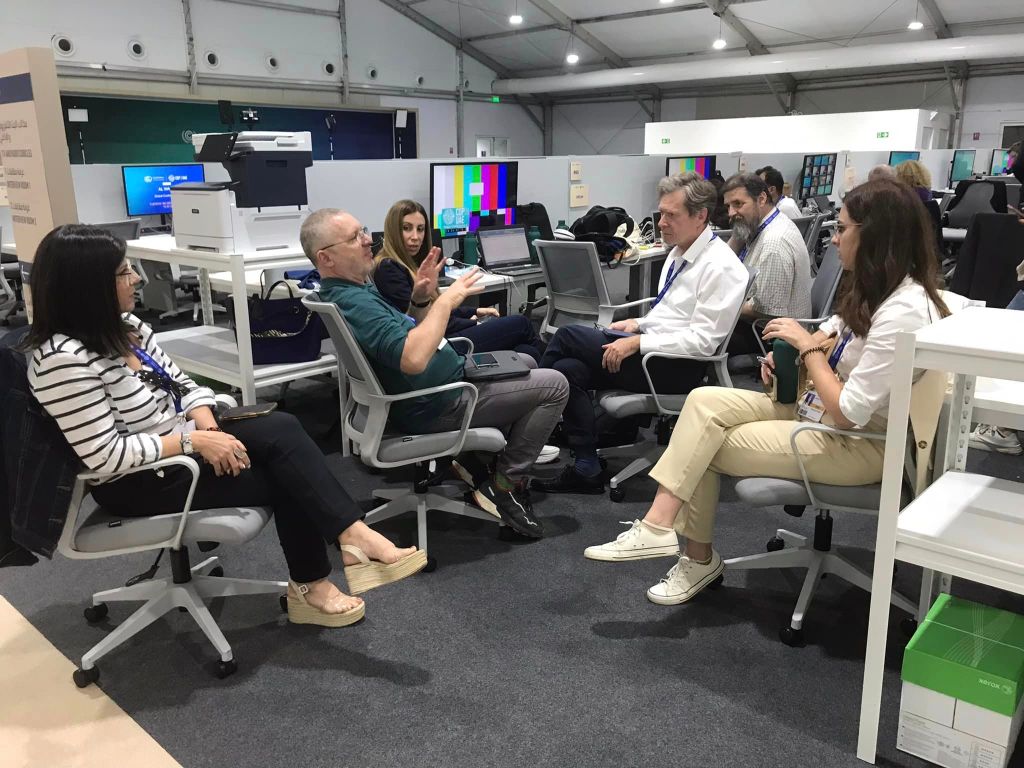
Join others
It can be a bit lonely being a specialist – but other specialists are your friends and allies!
If there isn’t a formal group for environment or climate reporters already, set one up! You could begin with a simple, informal and cost-free group on Whatsapp or similar messaging service. Share contacts and information about forthcoming events and learning opportunities. Talk to others about the challenges of reporting on climate change – and share ideas and solutions.
That’s all – for now.
You’ve reached the end of our course. Please share your success with others if you’ve found it valuable.
And if you’ve spotted an error – we can all get things wrong – or have suggestions or comments to share, just let us know. We’ll keep correcting and updating this course to make sure it’s as accurate and informative as it can be.
Wishing you every success!
Kevin and Letícia
Course Authors
Send us feedback here:


 Reporting Climate Change: tips from the IFJ