

Reporting on climate change doesn’t sound like dangerous work, but it certainly can be, and often is, particularly when it exposes the interests of powerful political and corporate actors.
Research carried out by the IFJ and UNESCO found that 749 news personnel reporting on environmental issues were attacked or threatened with violence over the course of 15 years. You can access the full report here.
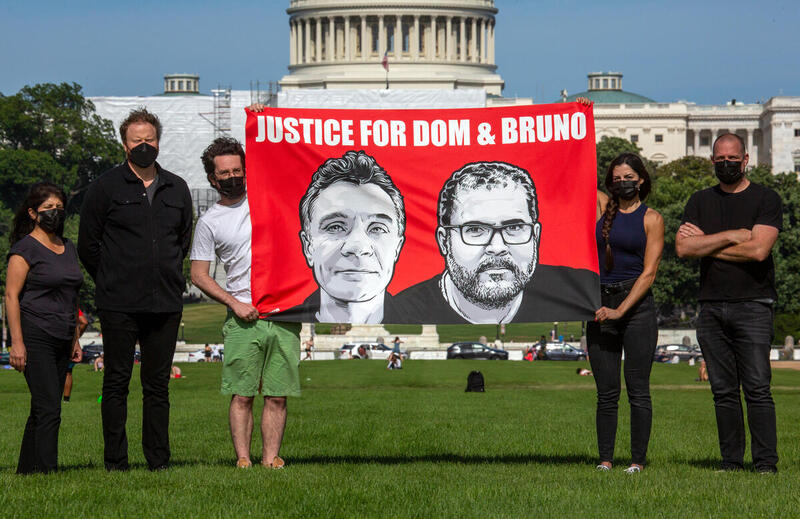
Intimidation of journalists ranges from online harassment to actual violence and even murder.
In fact, the study found that more than 20% of all journalist murders were linked to environmental reporting. Investigative journalists focusing on deforestation, illegal mining, and environmental degradation have been killed by criminal groups or state-linked actors.
Others have been attacked, threatened, intimidated, surveilled and followed.
Large companies use lawsuits and legal threats to drain newsroom resources and discourage other journalists from reporting critically on their operations. They use their financial clout by removing advertising or putting pressure on business suppliers not to deal with journalists.
In some countries, environmental reporting has been classified as a national security threat, enabling governments to impose legal penalties on journalists.
Many environmental journalists have been targeted by coordinated campaigns of online harassment. Doxxing (exposing individuals’ personal information such as their home addresses) and hacking are used to intimidate journalists by making them and their families vulnerable to physical attack. Women journalists face a higher level of online abuse, including misogynistic threats and sexual harassment.
It is hardly surprising, then, that many journalists choose to avoid reporting on environmental crimes and malpractice, while those who do feel unsafe, stressed and anxious.
The IFJ underscores that environmental journalism is essential for accountability and transparency in climate and environmental policy. However, the growing risks faced by journalists threaten the ability of the press to inform the public and hold powerful actors accountable.
Staying safe
Strengthening legal protections, improving safety measures, and building global solidarity are key to ensuring that journalists can continue to report on the climate crisis without fear of retaliation.
“There will be accidents, no matter how much care is taken to provide protection, and there is little one can do when those targeting media use ruthless and brutal methods to crush journalistic inquiry. However, there are steps that journalists and media organisations should take to minimise the risks to staff.”
International Federation of Journalists’ Code of Practice for the Safe Conduct of Journalism
What journalists can do
Consider the risks to your safety and determine whether they are proportionate to the importance of the story. There is no single story that is worth sacrificing your life, or the lives of others, for.
Draw up a safety protocol and stick to it. Make sure that the procedures fit your daily work plans and they are realistic.
Change your travel patterns and try to avoid routines that might help attackers find you easily.
Be discreet. Wear clothing that matches those around you. Try to arrive among crowds. Keep cameras and other recording devices hidden. Better still, use a smartphone to make recordings – and ensure it has a screenlock.
Try to find a trusted guide who knows the location and is sensitive to emerging threats. They can enhance your safety – but equally, you must take care not to put them in danger.
Limit the time you spend in hostile environments. As a general guide, it will take 20 minutes for a security force to arrive – so move on within that time.
When you go into the field, ensure a colleague knows your plan and when you expect to return, so they can raise the alarm quickly if you are detained for any reason.
Remain vigilant in the field and even when you are off duty. Try to recognise signs of activity around you so that you can respond quickly to any threats.
Avoid confrontation and being drawn into any type of threatening position.
Try to reduce the information that you make available to those who would harm you, your reporting and your contacts. Practise digital hygiene:
- Use strong passwords (with at least 25 characters, mixed case letters, at least one digit and one punctuation sign) and don’t use the same password for different accounts.
- Use a password manager to generate and store secure passwords.
- Use two-factor authentication (2FA) where it is available.
- Encrypt your files and storage devices such as external drives.
- Install an antivirus program.
- Protect your emails and messages by using a secure messaging platform.
- Don’t put personal information on social media such as your home address, family contacts and place or date of birth.
You can find useful advice on protecting your data and the identity of your sources in the Data Detox kit, available in many languages.
What newsrooms must do
Newsrooms should have protocols in place to protect their staff and their families and contacts.
They should provide journalists and editors with specialist safety training which addresses the specific challenges they face, including advice on physical safety where there are threats of physical violence or other dangers.
They should provide any needed protective equipment and access to secure communication tools.
Newsrooms will always be competitive, but they should collaborate on issues of safety and in order to protect the freedom and independence of the press.
They should speak out about attacks and threats to journalists, even those from other news organisations. They should not allow attacks to go unpunished.
What governments should do
Governments should uphold commitments to press freedom and hold accountable those responsible for attacks on journalists.
They should strengthen legal protections for press freedom and environmental reporting, including introducing and enforcing laws to prevent corporations from using defamation suits to silence journalists.
The IFJ supports journalists at risk or threat. It offers lots of safety advice in several languages on its dedicated safety pages: https://www.ifj.org/what/safety
Reflection/Exercise
Stop! Don’t skip this exercise – it could save your life, or your livelihood!
Reflect on the contents of this chapter and think hard about the risks to your own safety and that of your colleagues and contacts.
- What is the worst that could happen?
- How could you reduce the risk of that happening?
- How could you reduce the consequences if it did happen?
Write down what you are going to do – and what you need others to do – to improve your personal safety.
 Reporting Climate Change: tips from the IFJ