

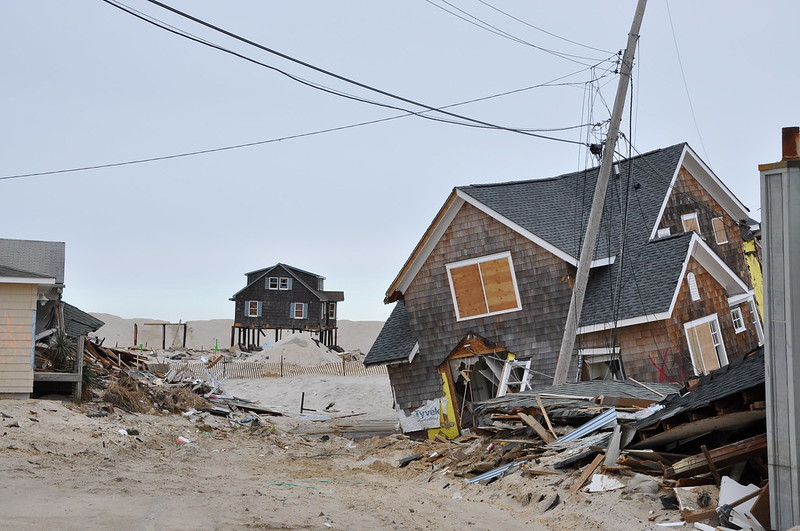
Over recent years people in all parts of the world have experienced extreme weather events which have been widely reported in the news:
- The highest temperatures ever recorded. 2024 has been confirmed as the warmest year since records began in 1850, with a global average temperature more than 1.5 degrees above the pre-industrial average. The last ten years have been the warmest ten years on record. High temperatures reduce people’s capacity for physical work and cause health problems including breathing difficulties and heart attacks. Biodiversity and ecosystems also suffer: a warming between 2 and 3 ºC means that up to 54% of species may become extinct by the year 2100.
- Rising sea temperatures, causing mass coral bleaching, which can lead to the death of the coral, affecting both the wildlife and human communities that depend on the reefs. Reduced oxygen levels harm other marine life.
- Polar ice and glaciers are melting. The Arctic, for example, has lost half of the volume of sea ice since the late 1970s. Arctic animals lose their habitat.
- Droughts and uncontrolled wildfires across the globe, destroying homes, habitats and wildlife.
- Rising sea levels and stormier seas battering coasts and destroying homes, businesses, farmland and infrastructure.
- Prolonged heavy rain leading to flooding and landslides, even far from the coasts.
Other changes attract less attention in the news, such as:
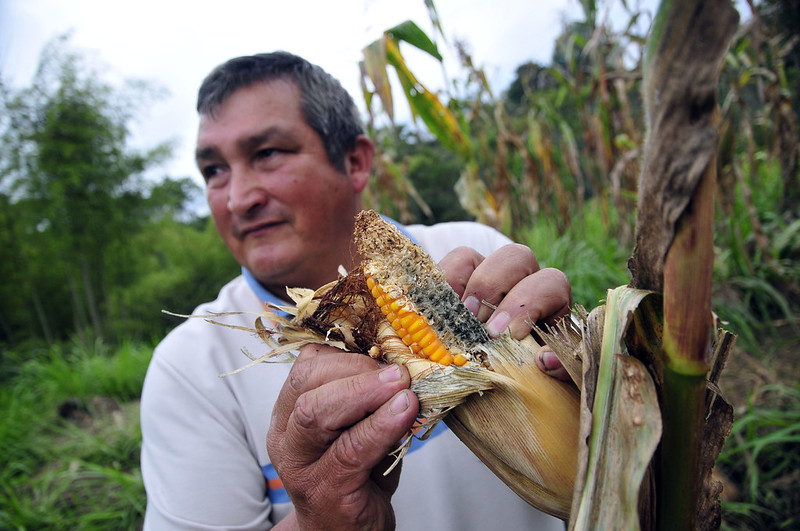
- Crops failing because of excess rainfall or drought – or both.
- Rivers, lakes and inland waterways shrinking and even dying, hurting water and fish supplies, wildlife and recreation.
- Wildlife changing its habits – such as birds migrating to different places, bears coming into polluted areas looking for food, mangroves moving further south, and polar bears hunting birds on land.
- The spread of unfamiliar diseases to new areas and the increase of diseases transmitted by mosquitoes, due to the warmer climate.
- People forced to leave their homes or cities because of extreme events that destroy their places and ways of living, taking away their safety, security and wellbeing. These people become climate refugees. Since 2008, according to the Internal Displacement Monitoring Centre, over 376 million people around the world have been forcibly displaced by floods, windstorms, earthquakes or droughts, with a record 32.6 million in 2022.
A vicious cycle?
The natural systems in the planet are interconnected, so that the consequences of climate change can themselves contribute to increasing global warming.
For example: warmer temperatures cause glaciers and the polar ice caps to melt. The former ice enters the oceans as water, leading to higher sea levels and changes in the circulation of water in the oceans. But it also means there is less ice that naturally reflects the sun’s heat away from Earth, so the Earth warms up more, leading to further global warming.
Where permanently frozen land (‘permafrost’) thaws, it releases stored methane which is a potent greenhouse gas.
Some scientists fear that these feedback loops could occur so suddenly that they lead to ‘tipping points‘ where the world sees catastrophic changes such as the loss of polar ice sheets, the wholesale loss of coral reefs, and changes in ocean currents which would lead to far-reaching changes in the climate of regions of the Earth.
Reflection: How is climate change impacting your country?
What impact is climate change having on your country or region?
Is the public aware of the role of climate change?
Who is keeping track of the impacts? Academics, researchers, government departments?
Who are the best communicators of climate science in your region?
 Reporting Climate Change: tips from the IFJ