
This site has been created by the International Federation of Journalists, the IFJ, to provide information and guidance for editorial staff to report more confidently and accurately on probably the biggest challenge facing the planet and its people: climate change.
The subject is too is important and wide-ranging to be left to the handful of specialist reporters and correspondents. Just as with COVID-19, every reporter needs to understand the basics: what is happening and why; what impacts climate change is having and will increasingly have on people and the planet; and how the world is seeking to reduce its scale and impacts.
“We call on the world’s journalists to reflect on the real threat climate change poses in their reporting and to apply best practices to improve coverage on the most pressing problem of our time. The IFJ also encourages all its affiliates to include the climate issue in their agendas and to work together to launch training to help journalists to cover climate change stories in an ever more professional and effective manner”.
IFJ General Secretary, Anthony Bellanger
Journalists understandably find climate change a difficult subject to report upon, especially if they haven’t had a science-based education. We’ve therefore designed this website to address journalists’ most common challenges:
| They say that: | We show that: |
| Newsrooms often feel that audiences are not interested in climate change as a newsworthy subject. | There is significant public interest in climate change, and a demand for greater explanation and engagement. |
| Journalists lack scientific knowledge and confidence to report on science-based subjects. | There is no need for journalists to understand in great depth the science of climate change, beyond what is happening and why. We share the basics. |
| Climate reporting is often siloed in specialised desks instead of being integrated into broader news topics. | Climate change impacts directly on global business, industry, finance, food and farming, politics, education, and almost all other areas of life. |
| There is a lot of misinformation and disinformation around climate change. Journalists don’t know which sources to trust. | There are authoritative and trustworthy sources of information and advice. |
| News audiences are turning away from news that makes them angry or sad. | Audiences are much more likely to engage with stories that look at how climate change is being tackled. |
The pages of the site have been designed to follow a logical flow. You can read them as you would a book. But feel free to use the site as a resource to dip into, when you need input from a specialist climate journalist.
Authors
The content on this website has been written by two journalists and journalist trainers who have extensive specialist experience in the subject.
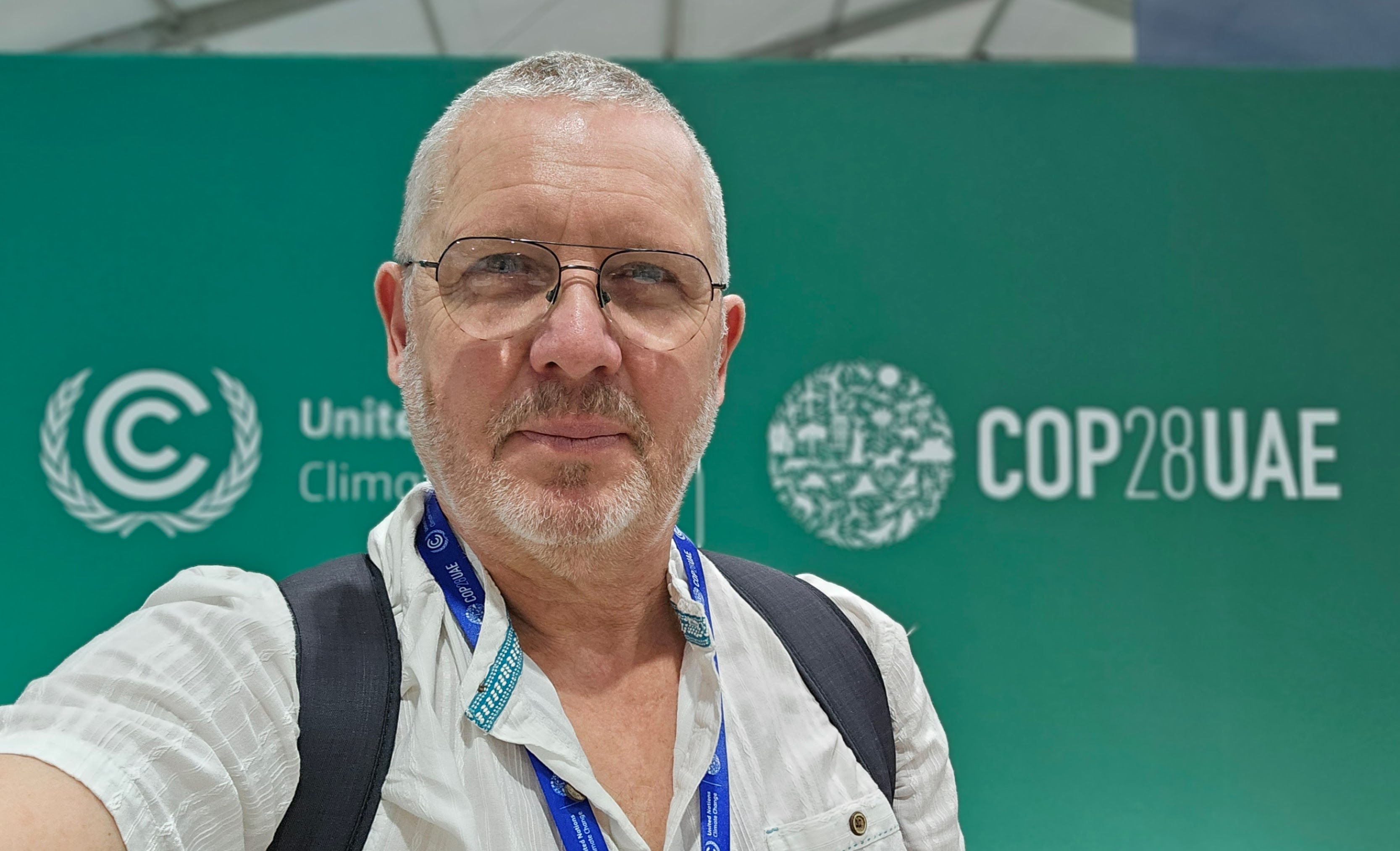
UK-based Kevin Burden is a former BBC Environment Correspondent who has been reporting on climate change since the 1990s. He wrote the specialist training on climate change which all journalists in BBC News have to complete. He is the chair of the BAFTA News Climate Steering Group which aims to improve standards of climate coverage and reduce the carbon footprint of broadcast news production. He co-created the BBC’s online learning platform for international journalists in 2001 and has since designed online training programmes for journalists around the world on behalf of the IFJ-ILO, ASBU, COPEAM, Internews, and others.
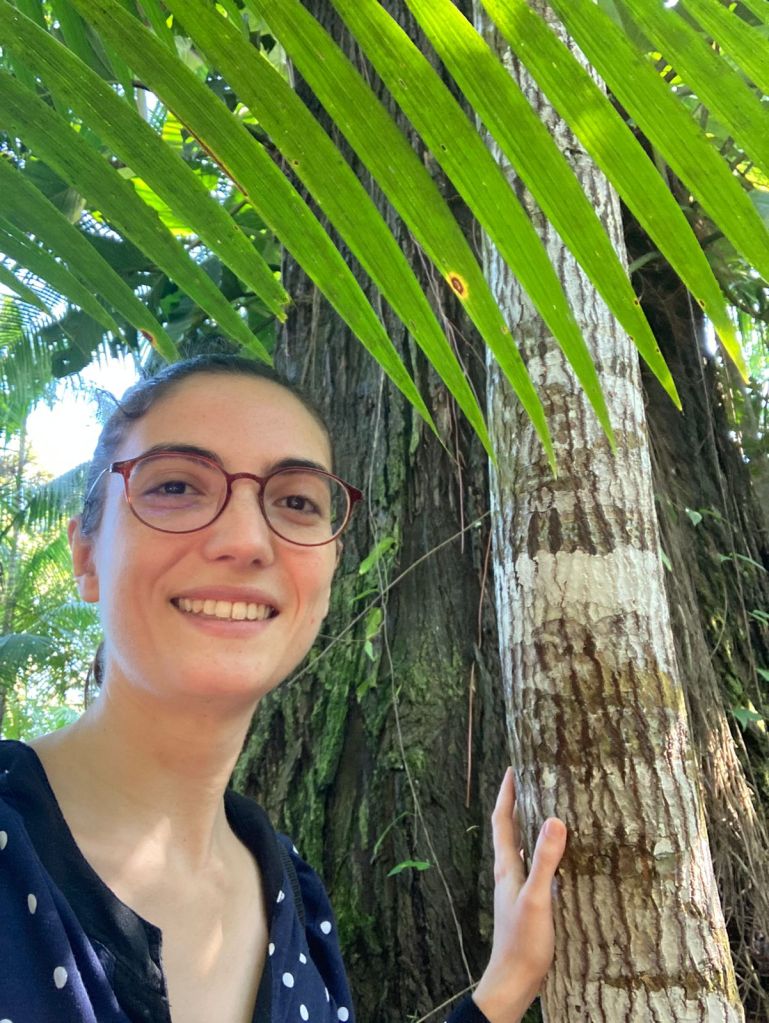
Brazilian journalist Letícia Maria Klein has worked personally and professionally towards the communication of environmental topics and the advance of environmental causes in her city and in the Brazilian media. She has won 15 awards and fellowships as an individual or team member. Letícia has covered a variety of topics related to climate change, waste management, biodiversity, food systems, energy, sustainable tourism, water, deforestation, and others. She was invited to join the Brazilian Network of Environmental Journalism in 2014 and has been awarded three subsequent fellowships in climate and solutions journalism.
Acknowledgements
We thank all those who have contributed to our knowledge and made suggestions and comments.
The text on these pages has been reviewed by other specialist reporters and experts in science and policy. However, science and understanding evolves; laws change; and statistics get updated. If any errors remain, that is our fault. We invite you to submit comments and corrections to us at climatecourse@media-leaders.com
Images have largely been sourced from Climate Visuals under Creative Commons licences, except where otherwise stated. We acknowledge with grateful thanks all those who have contributed images.
Graphs were created at Our World In Data.
The climate stripes that inspired the colour theme on this site were developed by Prof Ed Hawkins at the University of Reading in the UK and are used with grateful thanks under the terms of a CC BY4.0 creative commons licence. For more about the stripes, please visit their website at https://showyourstripes.info/
the IFJ
Established in 1926, the IFJ is the organisation that speaks for journalists within the United Nations system and within the international trade union movement. It is the world’s largest organisation of journalists, representing 600,000 media professionals from 187 trade unions and associations in more than 140 countries.
For more about the work of the IFJ, visit the website at http://www.ifj.org/
 Reporting Climate Change: tips from the IFJ